.avif)
The Right Time to Rebuild Audit
Audit has always been built on trust.
What we want to be part of is a fundamental shift in how that trust is established.
In many ways, the past few years have forced a long-overdue shift in mindset for the leaders in the profession. Workloads on audit staff continue to rise. Expectations from corporate clients and their audit committees are sharper, and regulatory scrutiny on audit quality is intensifying.
There are now clear shifts happening which are impossible to ignore:
Manual processes don’t scale, and they don’t survive AI.
Paper confirmations, PDFs, and client-provided documents as evidence already carried risk, and audit firms and banks charging for their manual effort eroded the perceived value for audit stakeholders.
In a digital world where audit trails can be automated between authenticated organizations, and AI agents can take over those workflows, these processes are no longer just risky and inefficient, they’re below what the market is demanding.
AI is moving from experiment to expectation.
Audit committees and regulators now expect firms to use technology and AI to improve quality, cover a greater risk area, and provide valuable insights to the business. However, AI without verified independent data only accelerates risk.
In many ways, modern audit needs the same thing modern payments, lending, and capital markets needed a decade ago: shared infrastructure.
Fraud risk increases with new types of financial institutions and digital assets
Global operations, e-commerce transactions, digital assets, and increasingly complex balance sheets mean auditors are dealing with more data, from more sources, than ever before.
From one painful paper circularization letter to a Global Platform
Circit started with what looked like a narrow problem.
Audit confirmations were still being run on paper. Fax machines (still going). Email chains. Blind trust in many cases that what came back was complete, accurate, and untampered with.
In 2007, when a few of us at Circit started auditing, it was clear that this process was not the best use of time… And it soon became obvious that it wasn’t just an administrative headache. It was a systemic weakness, and one that sat at the fundamental core of audit quality and financial trust globally.
Why is it so hard to get in touch with a bank? How skilful does one auditor have to be to obtain this confirmation letter back? Will we get it before the audit sign-off deadline?
These common frustrations in 2007 pointed to something deeper: that if proving these numbers are correct will forever be done primarily by confirmation from independent sources… then surely auditors of the future will need a fundamental shift in the accessibility of this evidence.
They will need a verification layer.
Therefore, access to bank systems, and the process for obtaining all counter-party confirmations will need to be transformed.
That’s what we’ve been building at Circit: a network for confirming every type of asset and liability on a corporate balance sheet. Direct connections to data at the source, independently verified at the back-end systems of banks, permissioned by clients, and delivered straight into the audit workflow.
Where We Are Today
Over the past year, adoption of Circit has accelerated across the global audit ecosystem.
More than 400 audit firms now use the platform, including every one of the Top 20 global audit networks. Our verification network connects and delivers operational efficiencies for over 30,000 banks, fund administrators, and trusted counterparties.
In the last 12 months alone, auditors used Circit to confirm assets and liabilities for 150,000 corporate entities and independently verified on average more than 100 million transactions per month.
Why AI Changes Everything, and Nothing
AI will fundamentally change how audit work is performed. Evidence collection and testing will become automated. Risks will be assessed more on the future challenges for businesses, rather than on the accuracy of historical numbers.
AI can analyze faster than any human. It can surface patterns, anomalies, and risks at scale. What it cannot do, at least not on its own, is establish truth. It only operates on the inputs its given.
Trust still has to be earned.
Circit’s role is to help auditors confirm the truth about every historical balance and transaction in a fraction of the time. The focus can then shift to surfacing forward-facing risks, and highly skilled auditors can deliver on real and perceived value to corporate clients and their audit committees.
Scaling the Circit Network
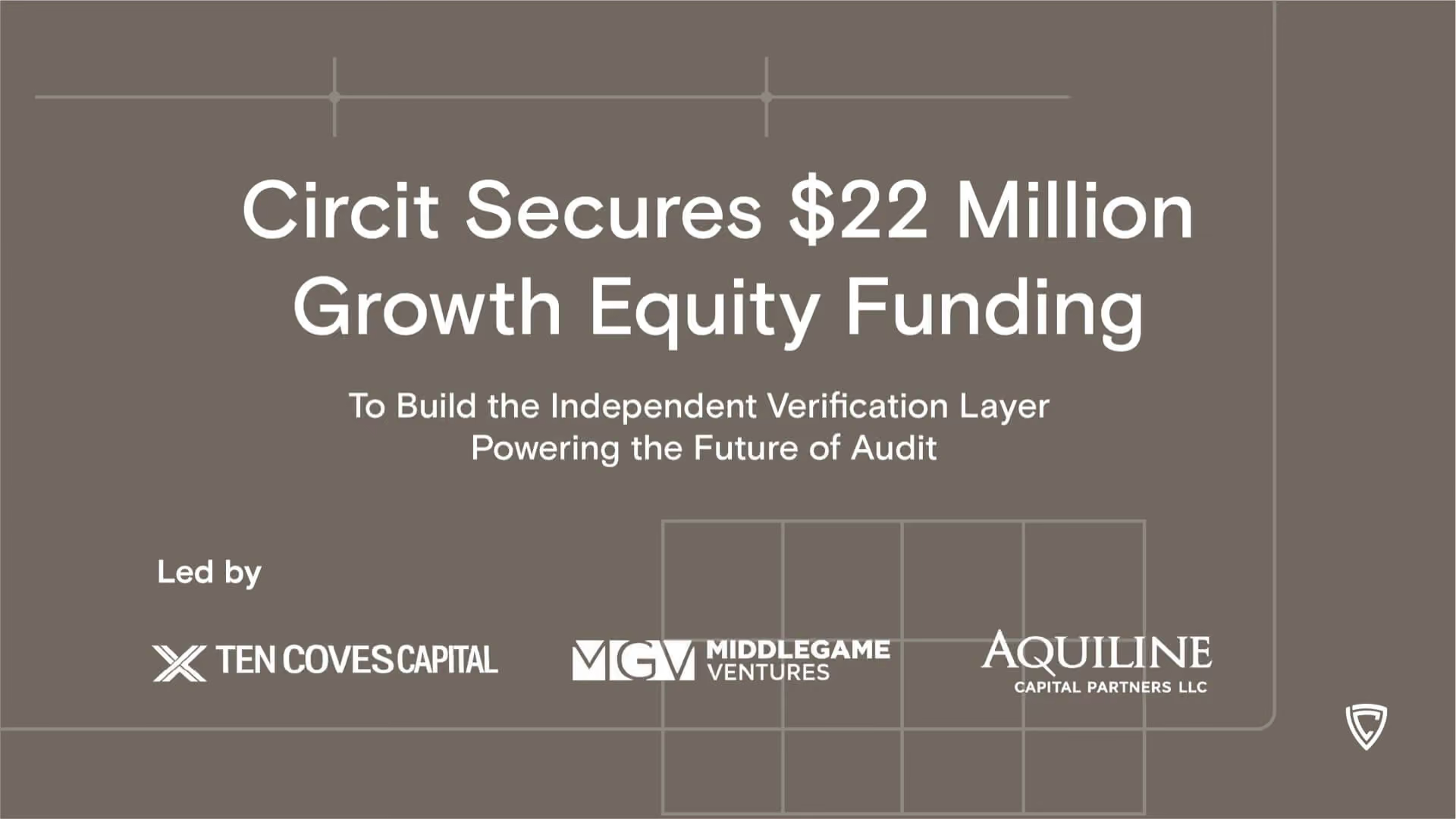
With our recent $22m growth investment, we’re doubling down on this future. We’re continuing to build better data infrastructure that audit firms can rely on for decades, not just tools for the next cycle.
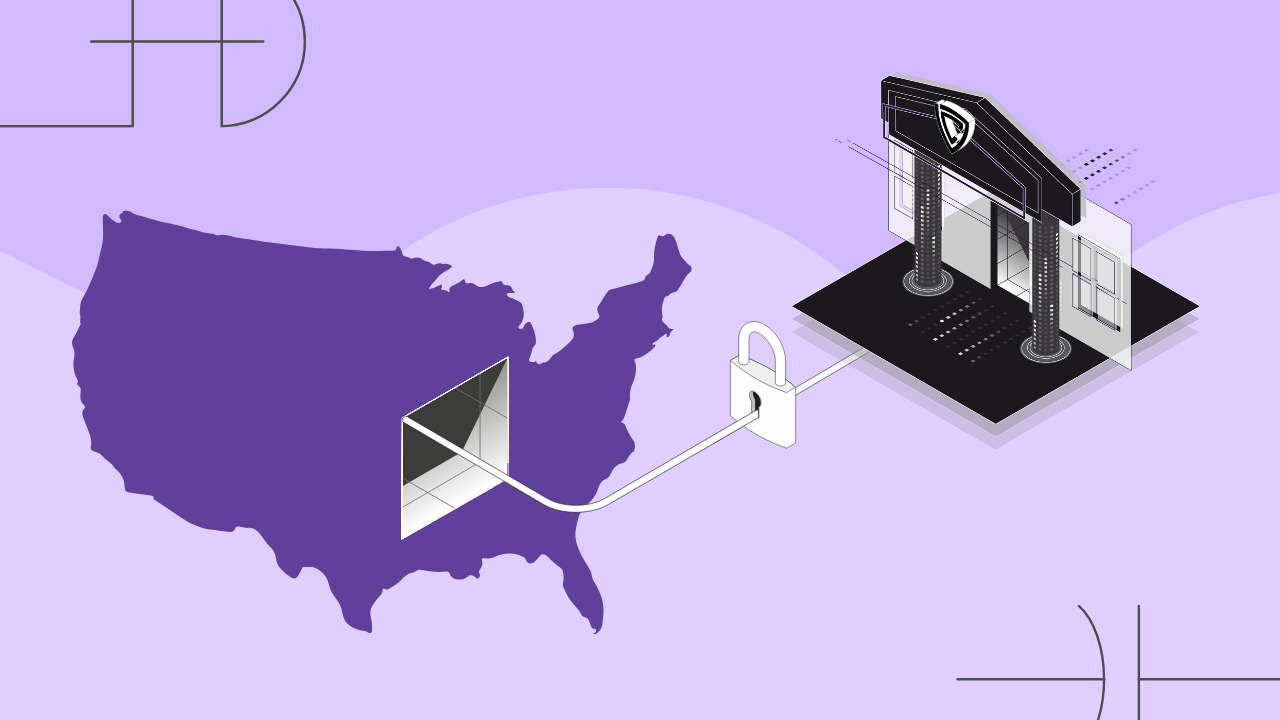
We’re expanding AI-powered workflows across every participant in the audit confirmation and client-collaboration processes. We’re deepening bank API connectivity globally. We’re scaling our presence in the US and growing the team significantly over the next two years.
Most importantly, what started as a small, paper-based pain has become a global effort to be part of rebuilding trust in financial reporting.
And we believe the timing couldn’t be more right.
Would you like to join us on the journey?
We need talented people to make it happen. Check out the open roles at Circit here.